
As a commercial vehicle arm of the Geely Group, Farizon New Energy Commercial Vehicle has amassed profound expertise in methanol-hydrogen energy technologies. Advancing methanol energy aligns with national energy strategies and offers a targeted solution to the core pain points plaguing the current new energy commercial vehicle sector. As early as 2005, Geely initiated R&D and promotion of methanol-powered technologies. Today, this “liquid new energy” is permeating every link of the industrial chain, laying a robust foundation for future development.
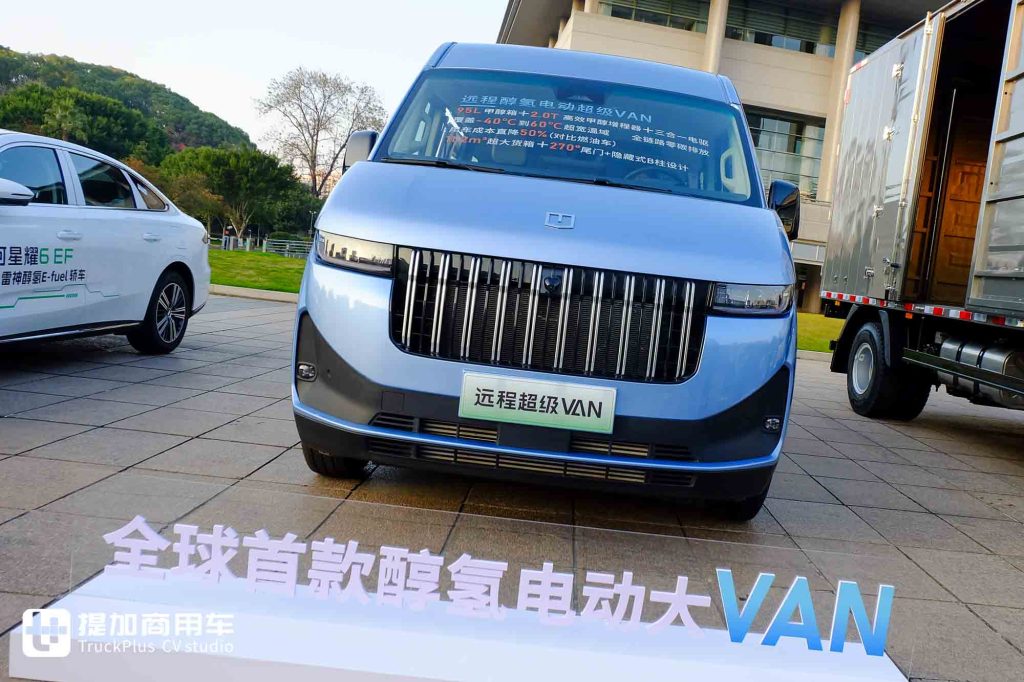

On January 8, the 2026 Farizon New Energy Ecosystem Partner Conference kicked off grandly in Wenzhou, Zhejiang Province. At the event, the Farizon Methanol-Hydrogen Electric Super Van made a stunning debut. Targeting the core pain points in logistics operations, this vehicle integrates a methanol-hydrogen extended-range electric system. Building on the smooth performance and robust power of pure electric drive, it incorporates the environmental and load adaptability of traditional internal combustion engine (ICE) vehicles, effectively resolving users’ range anxiety and cost anxiety. What other standout features does this van offer? In this article, Tijia takes you on an in-depth exploration.
Ultra-Long Range & High Load Capacity: The World’s First Methanol-Hydrogen Electric Large Van
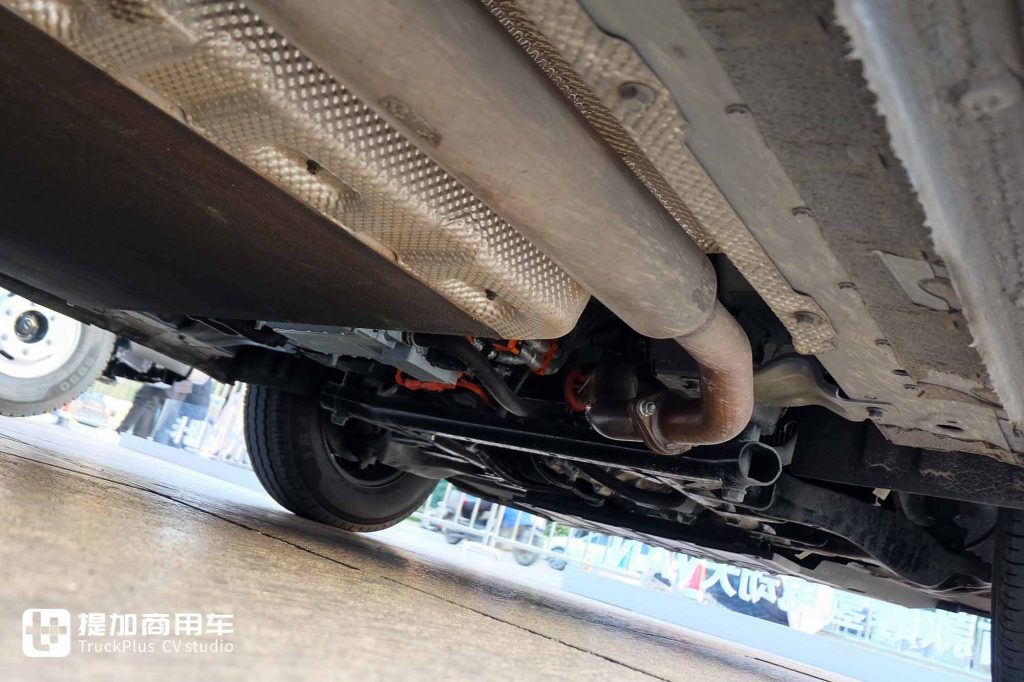
The Farizon Methanol-Hydrogen Electric Super Van is the world’s first large van equipped with a methanol-hydrogen electric system. The birth of this innovative powertrain stems from Farizon’s keen insight into the practical operational pain points of new energy large vans: in commercial transportation scenarios, range anxiety has always been a core issue plaguing users. Factors such as varying climatic conditions and load status can significantly impact vehicle range performance. This uncertainty can at best disrupt transportation timeliness, and at worst completely derail operational schedules – a scenario that is utterly unacceptable in efficiency- and profit-driven commercial operations.
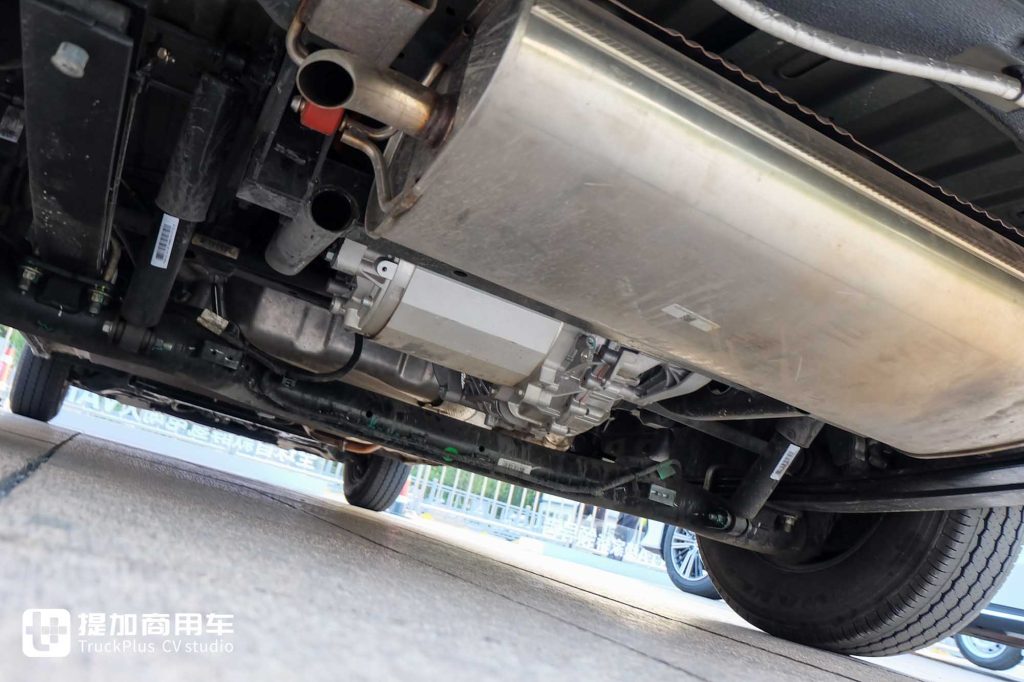
To effectively address these pain points, the Farizon Methanol-Hydrogen Electric Super Van is fitted with an innovative methanol-hydrogen extended-range electric system, comprising a 2.0T high-efficiency methanol range extender, a 95L large-capacity methanol tank, and a highly integrated three-in-one electric drive unit. This system combines the advantages of pure electric vehicles – strong power and smooth driving – while retaining the environmental adaptability of traditional ICE vehicles. It effectively alleviates the range anxiety of pure electric models and significantly mitigates battery performance degradation in low-temperature environments.
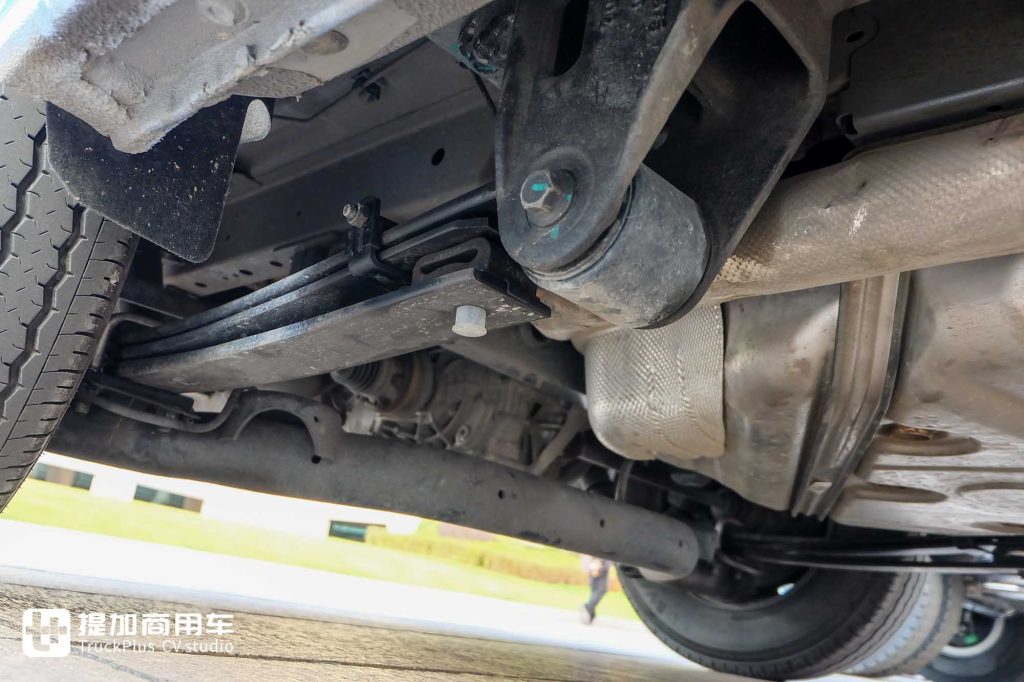
In terms of operational costs, the Farizon Methanol-Hydrogen Electric Super Van also demonstrates outstanding advantages. According to official data:
- Its 100km operating cost is 50% lower than that of comparable fuel-powered models, saving approximately 40 yuan per 100km.
- Annual savings can exceed 30,000 yuan.
Beyond the tangible fuel cost savings, the van delivers a range of over 750km and can operate in extreme temperatures ranging from -40℃ to 60℃. This dramatically expands its operational scope and applicable scenarios, enabling users to take on more freight orders with greater confidence, even for heavy-load long-haul tasks.
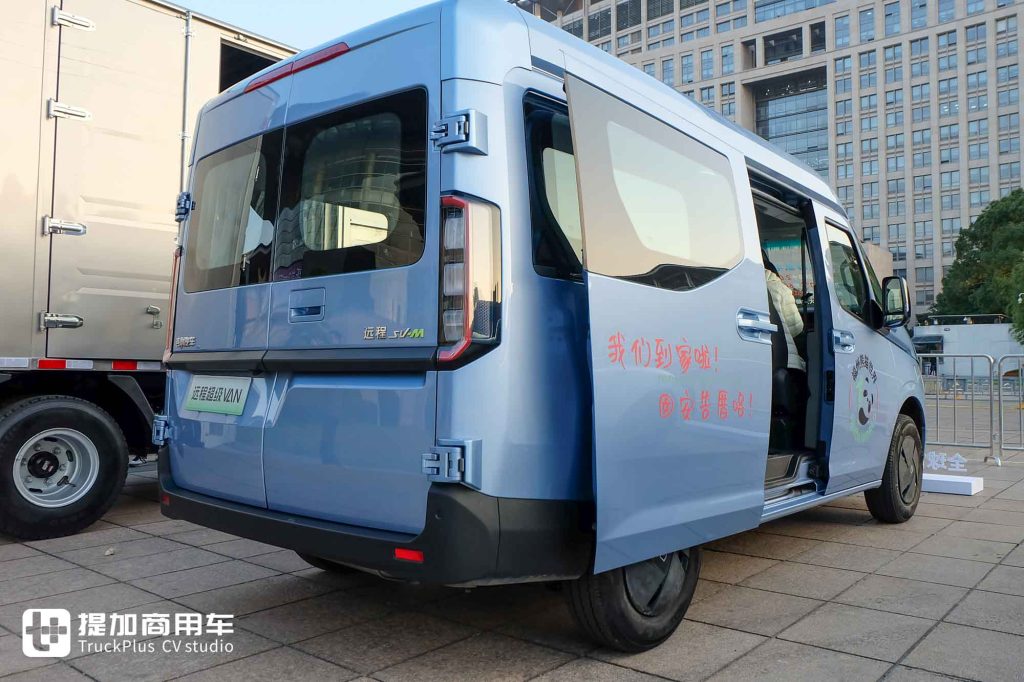
In addition to range and driving performance, load capacity is undoubtedly another key concern for users. The Farizon Methanol-Hydrogen Electric Super Van features a spacious cargo compartment with a volume of 11.2 cubic meters, fully meeting the loading needs of various large-sized goods. The vehicle adopts a split tailgate design that can open up to 270 degrees and fold neatly against both sides of the body. Combined with the large sliding door on the right side of the vehicle, it facilitates loading and unloading operations in confined spaces.
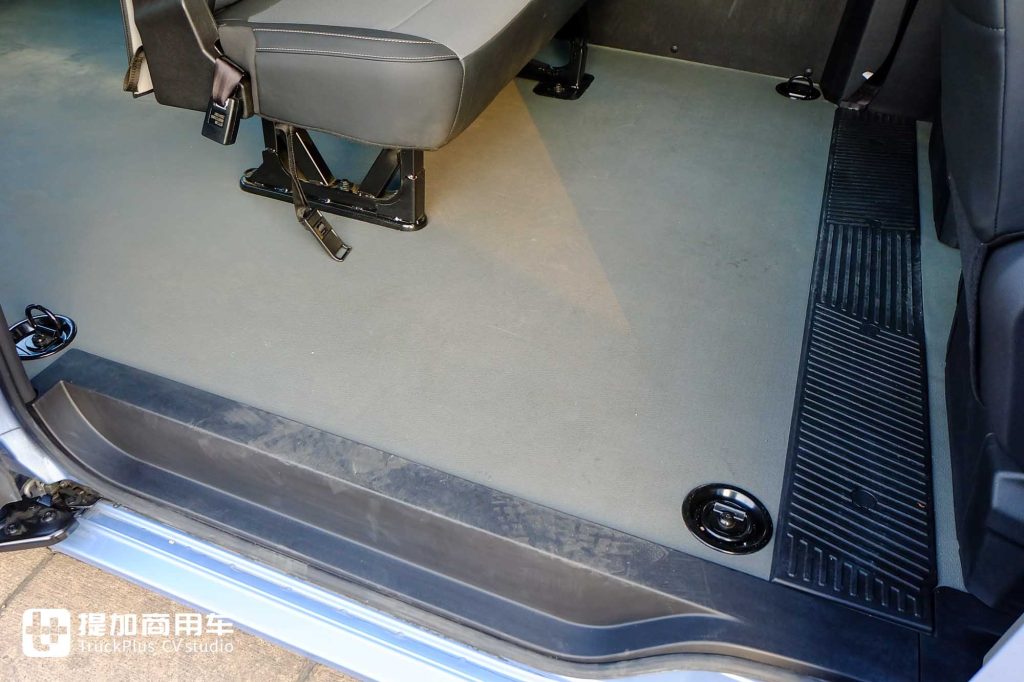
The floor inside the cargo compartment is flat and equipped with multiple anchor points, allowing for secure cargo strapping and ensuring transportation safety.
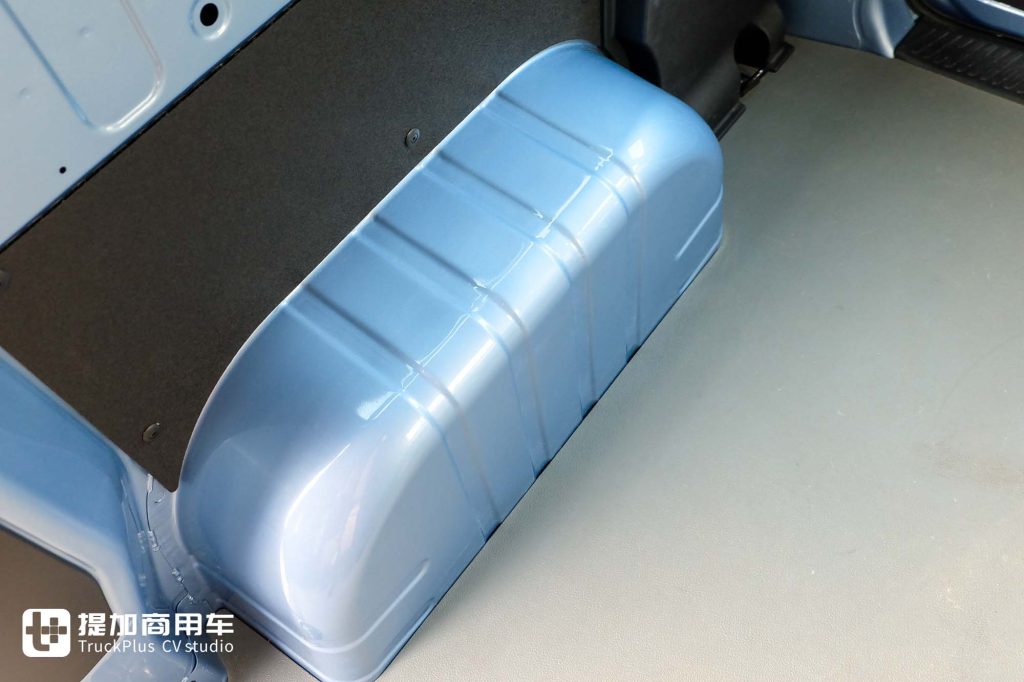
The wheel arch design is compact, minimizing space occupation inside the compartment and making loading/unloading of large items more convenient and smooth.
Sleek Exterior & Refined Interior: A Benchmark for Premium Large Vans
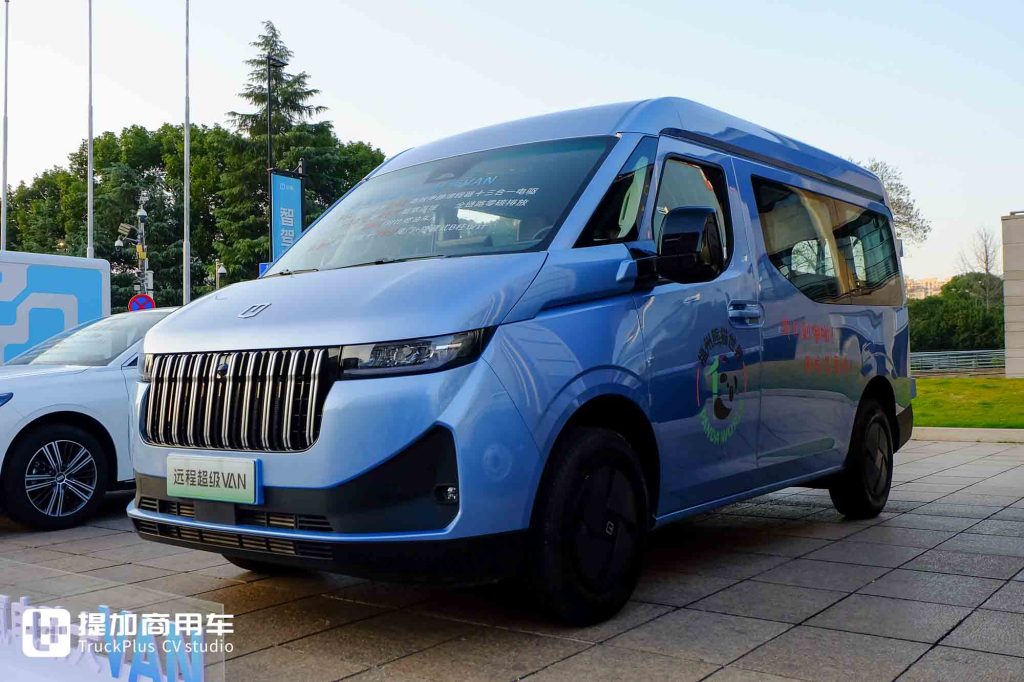
As a future-oriented premium large van, the Farizon Methanol-Hydrogen Electric Super Van boasts highly distinctive exterior styling. It features a fully enclosed engine hood and steeply raked A-pillars, with an innovative dual A-pillar structure that effectively reduces wind resistance while optimizing driving visibility, achieving an excellent balance between aesthetic design and functional practicality.
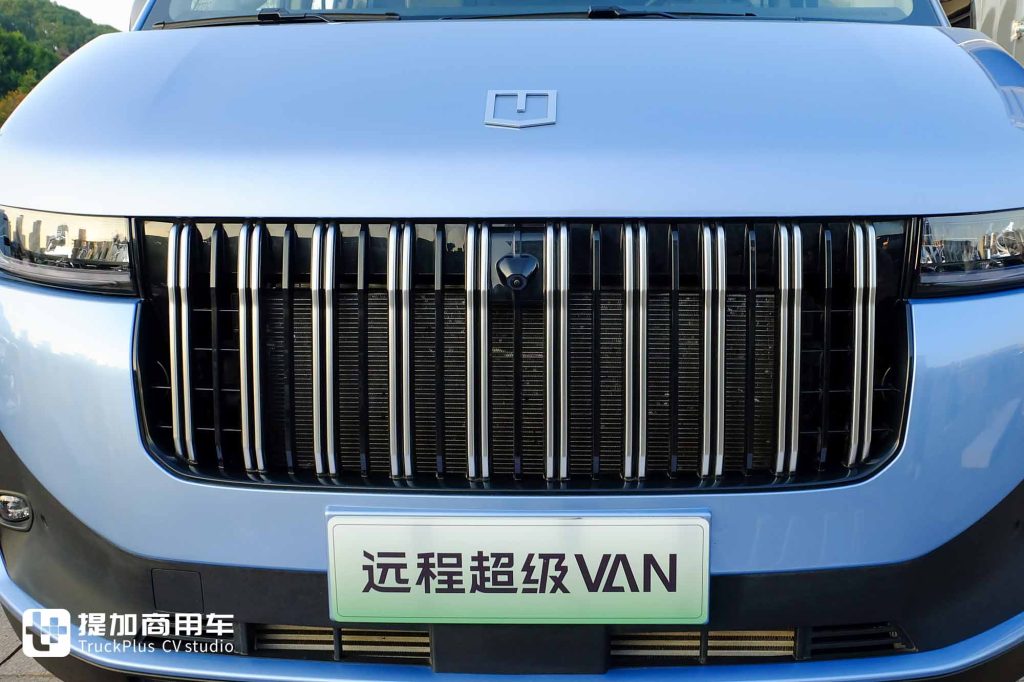
Unlike the previous pure electric version of the Super Van, this methanol-hydrogen model adopts a waterfall-style front grille to deliver efficient air intake and heat dissipation for the rear-mounted range extender. The grille is trimmed with chrome and smoked black accents, enhancing the longitudinal extension and lateral imposingness of the front fascia, resulting in a more dynamic overall appearance.
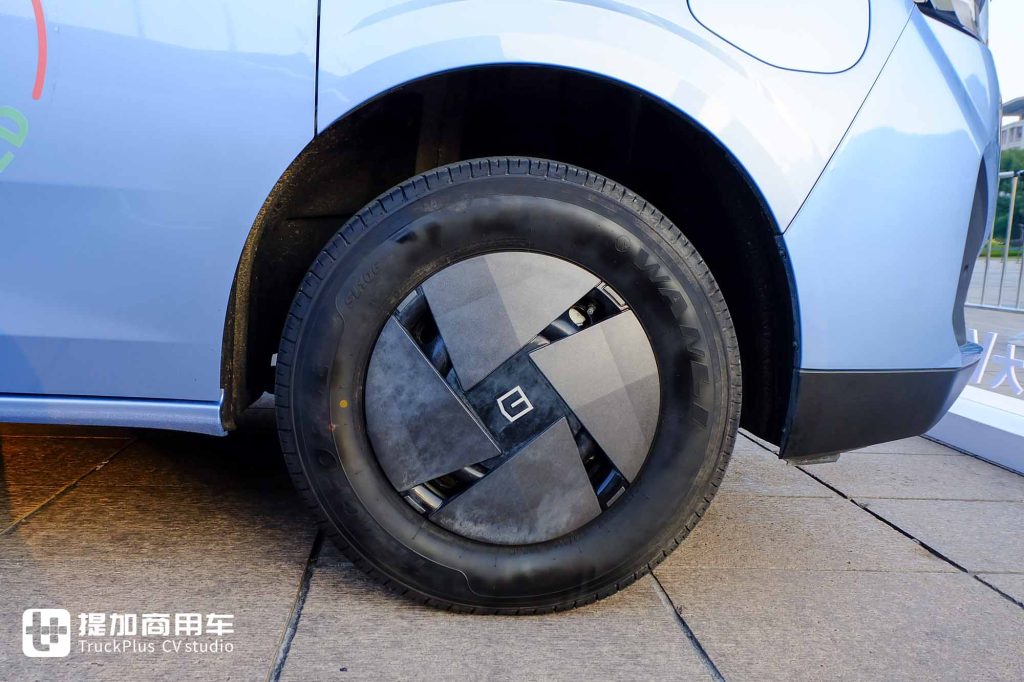
- The test vehicle is also equipped with wheel covers, which reduce air resistance while enhancing the vehicle’s visual appeal.
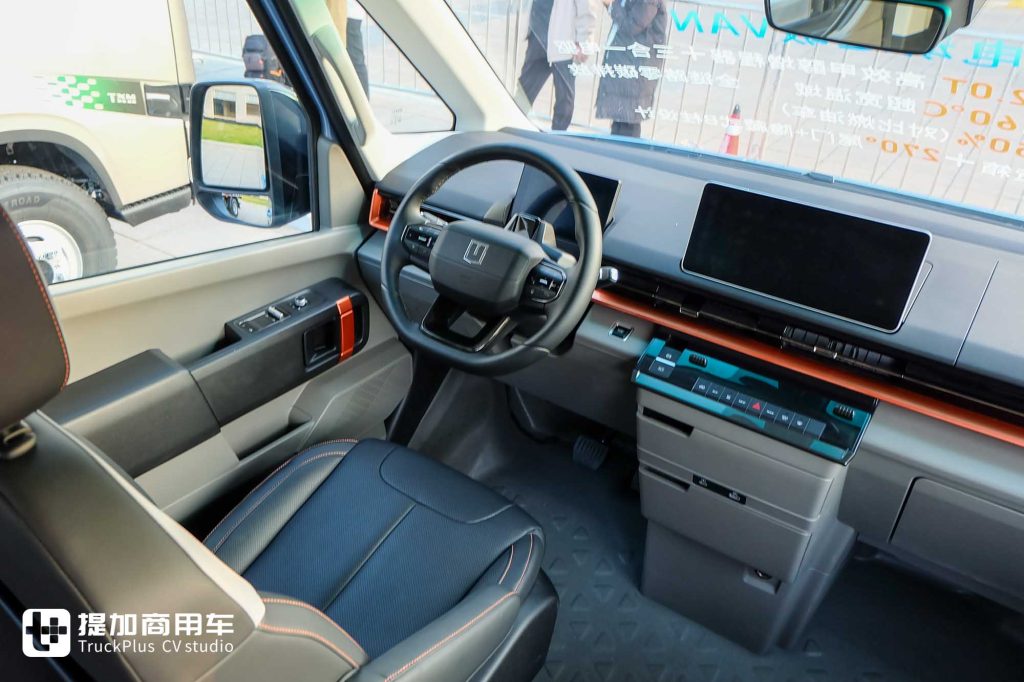
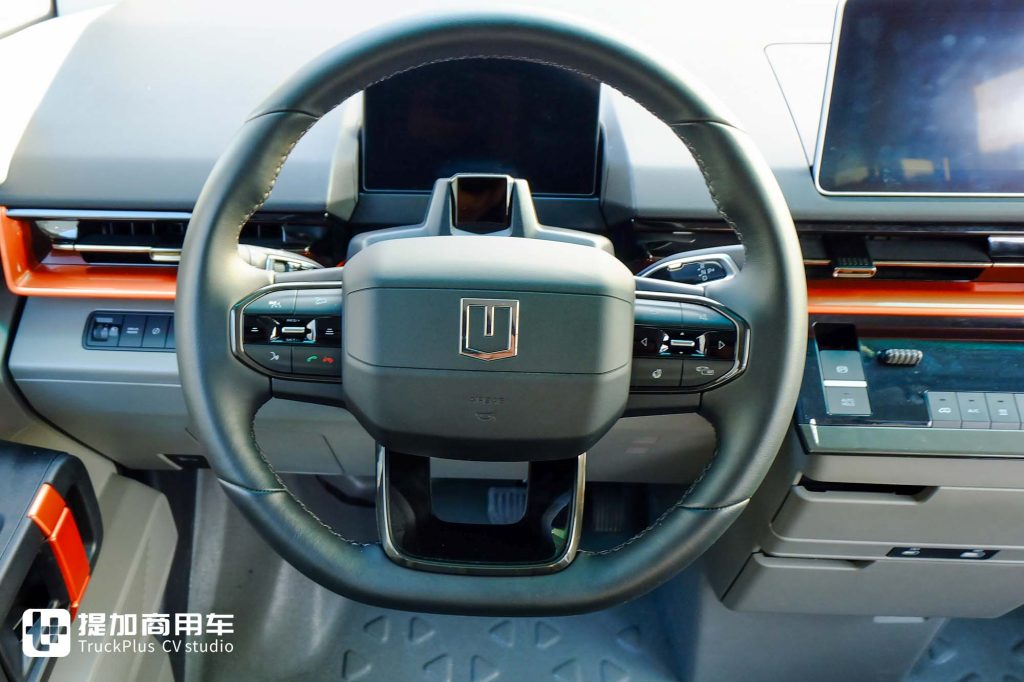
In terms of interior design, the Farizon Methanol-Hydrogen Electric Super Van adopts a passenger car-grade design language. The combination of a sporty steering wheel, floating instrument cluster and large central control screen, paired with a layered dashboard layout, creates a high-end and refined interior atmosphere. Complemented by an orange decorative strip running across the dashboard and leather seats with contrast stitching, the interior is truly eye-catching.
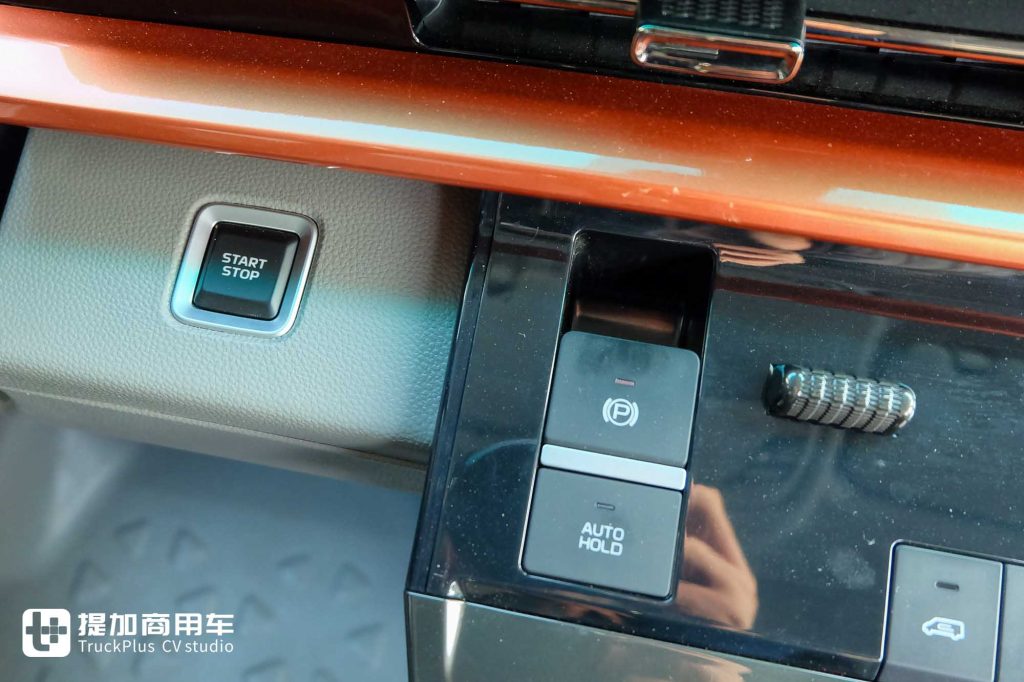
One-touch start and electronic parking brake are located on the top of the dashboard, with an AUTOHOLD auto-hold function to prevent vehicle rollback caused by forgetting to engage the parking brake.
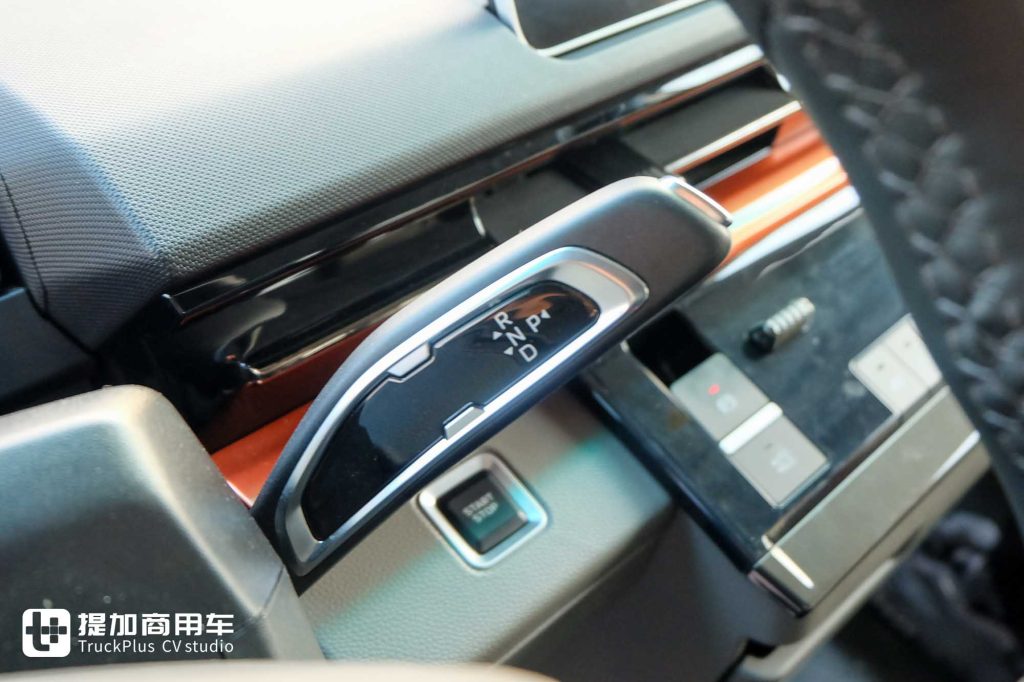
The gear shift uses a column-mounted mechanism located on the right side of the steering column, enabling easy operation for the driver.
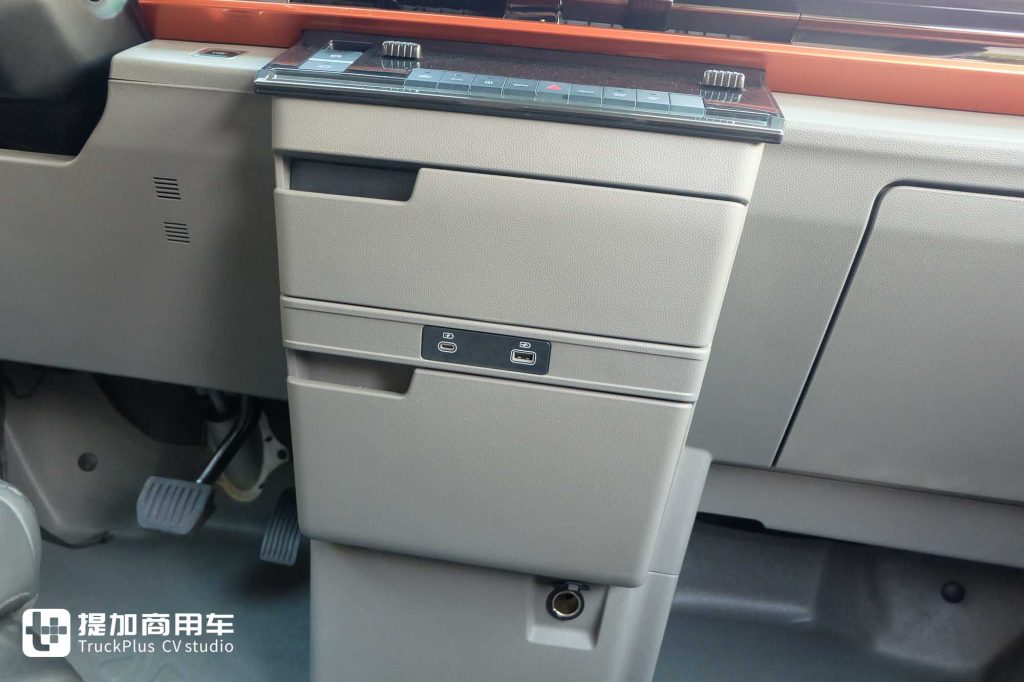
The center of the dashboard houses storage drawers and charging ports, enhancing interior usability.
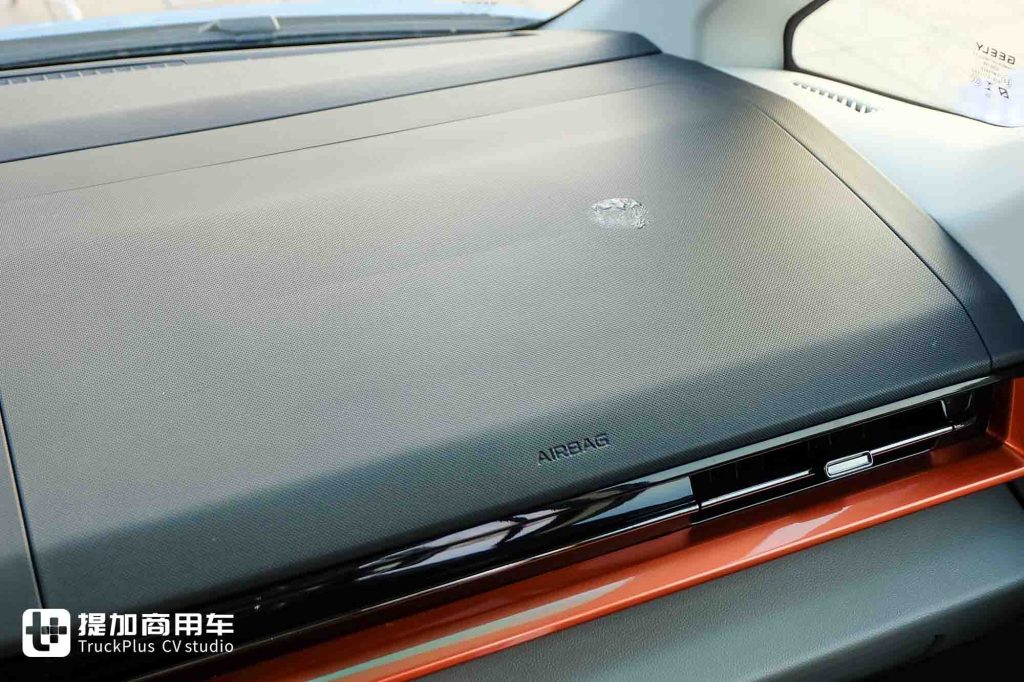
Both driver and front passenger seats are equipped with airbags to maximize occupant safety.
Conclusion
At a critical stage where the global logistics industry is transitioning toward green and efficient operations, the development of new energy commercial vehicles has become a core pathway to achieve the dual goals of carbon peaking and carbon neutrality and cost reduction with efficiency improvement. However, users’ range anxiety and cost anxiety remain prominent pain points. Against this backdrop, Farizon has leveraged technological innovation to launch the Methanol-Hydrogen Electric Super Van. It not only integrates the eco-friendly advantages of methanol-hydrogen energy with the performance characteristics of electric drive, but also effectively addresses the range bottleneck and extreme environment adaptability issues. More than just a transportation tool, it serves as a value carrier for users to enhance operational efficiency and expand business boundaries.
原创文章,作者:ctinsa,如若转载,请注明出处:https://ctinsa.com/new-energy-commercial-vehicles/8094
