
As electric vehicles increasingly gain traction, one question looms large: Do fuel-powered trucks still have a future? Faced with sweeping market changes, and the immense challenges and uncertainties posed by technological and energy revolutions to fuel-powered truck development, how can we find the optimal strategic solutions rooted in user scenarios? And how should we balance cost and performance?
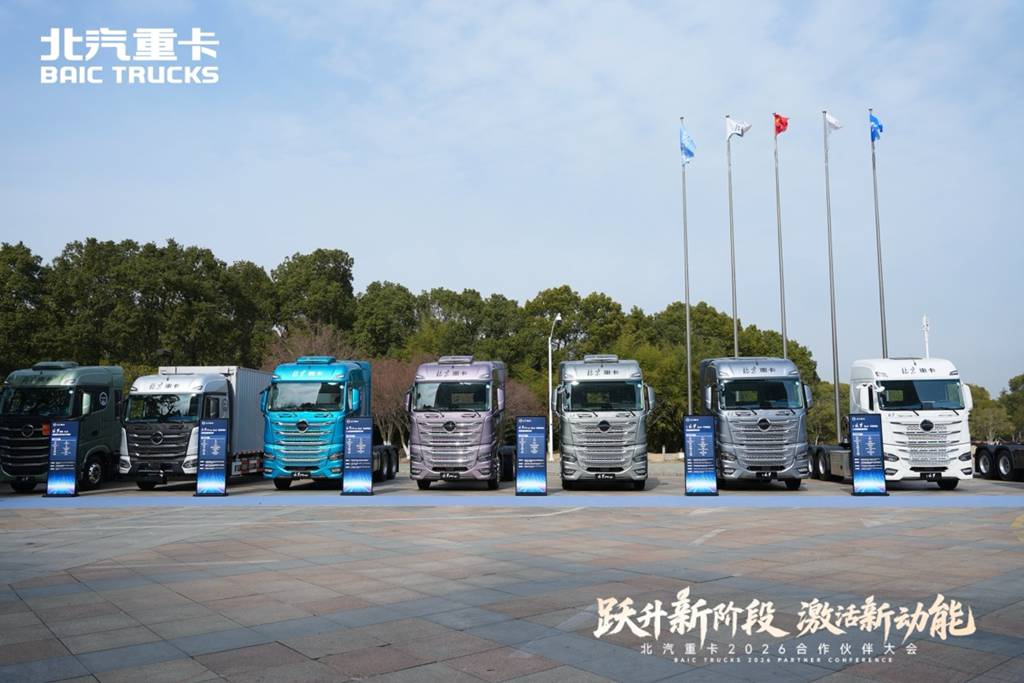

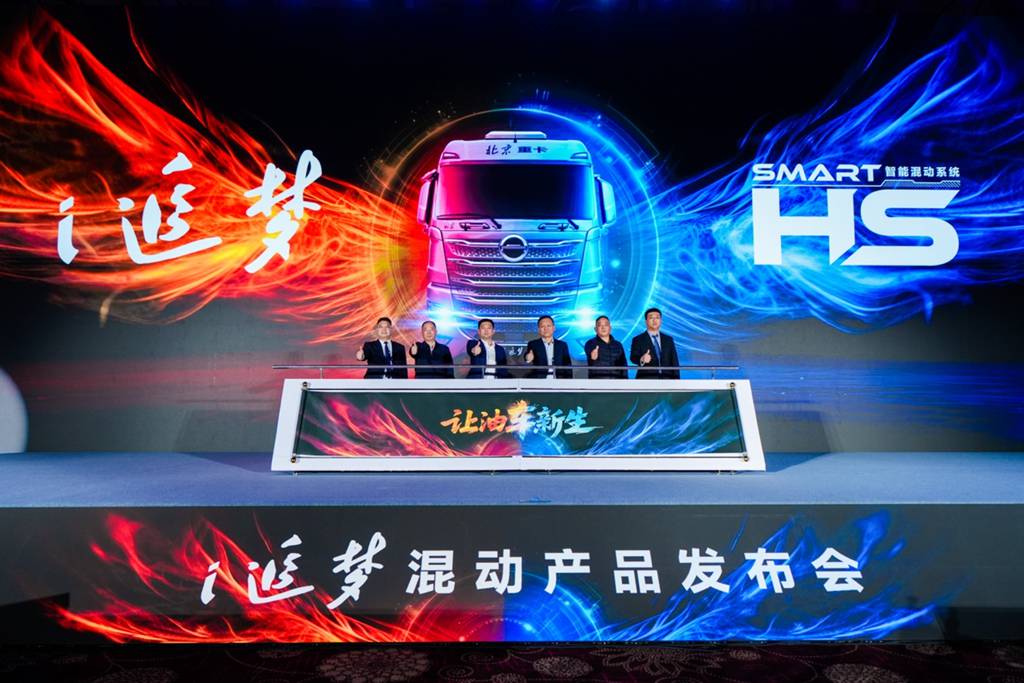
On January 13, 2026, BAIC Heavy Duty Truck held a product launch conference themed “Revitalizing Fuel-Powered Trucks” in Suzhou, officially unveiling the BAIC Heavy Duty Truck i-Chase Dream hybrid model. In response to the epoch-defining question “Do fuel-powered trucks still have a future?”, BAIC Heavy Duty Truck launched its “3-Year New Fuel Truck Evolution Initiative” back in 2023. Teaming up with partners and assembling a 100-strong R&D team, the company delved deep into frontline scenarios to co-create solutions with users, seeking answers based on real-world user needs.
Extensive interactions with long-haul users and on-vehicle data collection in actual operating conditions revealed that core user pain points remained fundamentally unresolved. Existing products had driven up purchase costs significantly, yet failed to deliver substantial fuel savings, while also suffering from a higher incidence of faults. BAIC Heavy Duty Truck holds the belief that developing new products is never simply about stacking technologies and components; rather, it requires first gaining a thorough understanding of scenarios, formulating innovative development strategies tailored to those scenarios, and then identifying the optimal balance of cost and performance through technology innovation guided by these strategies.
The culmination of BAIC Heavy Duty Truck’s “3-Year New Fuel Truck Evolution Initiative” is the i-Chase Dream, a model that not only boasts cost advantages comparable to same-horsepower counterparts at the same price point, but also achieves an annual comprehensive fuel saving rate of 10%–20% across mountainous, plain, highway and national road scenarios. It truly breathes new life into fuel-powered trucks.
The Battle of Scenarios: Deepening Scenario Insights and Sustained Evolution, i-Chase Dream Revitalizes Fuel-Powered Trucks
Human society is experiencing unprecedented transformations, and the heavy duty truck industry is no exception. At the market level, profound structural adjustments are underway: foreign brands are struggling with “acclimatization” in the Chinese market, while domestic brands are thriving in overseas markets. From an energy structure perspective, new energy and natural gas heavy duty trucks are seeing rapid growth. In terms of competition, prices in the heavy duty truck market have dropped by over 20%, with some products even falling below cost. Technologically, we stand at a critical inflection point of the Fourth Industrial Revolution.
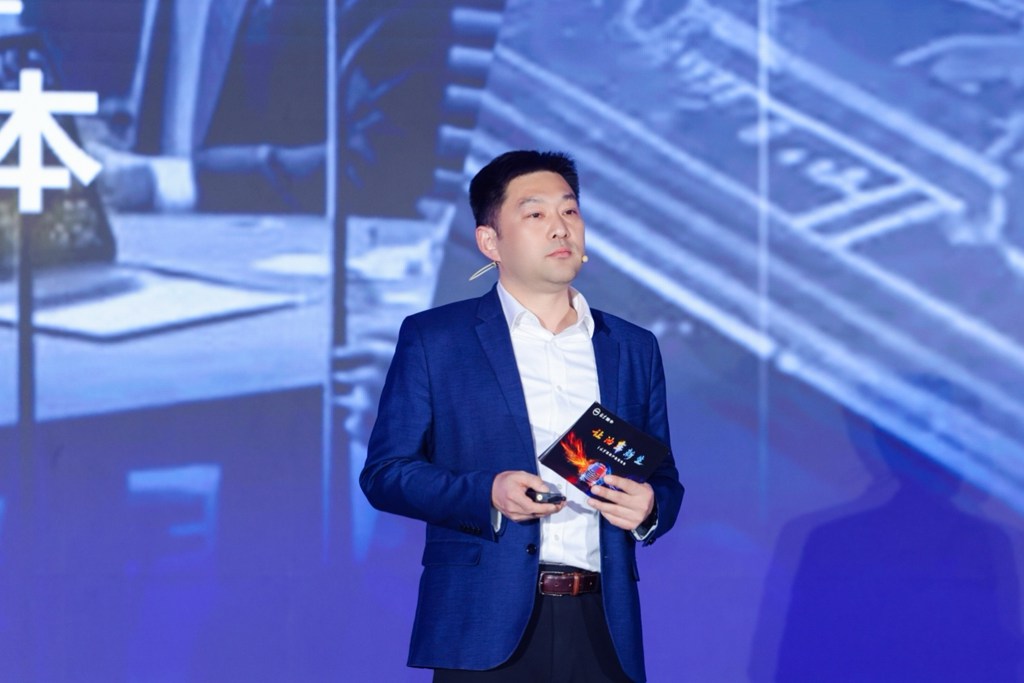
The heavy duty truck industry now stands at a crossroads of transformation. The era of traditional cost competition is drawing to a close, and a new phase of product and technological competition has begun. Huo Jialin, Secretary of the Party Committee of BAIC Heavy Duty Truck, stated: “Faced with such industry upheaval, we all share a common question: Is there still room for fuel-powered trucks to survive? Should we simply split into two camps – fuel-powered left, electric right – or pursue diversified development?”
The answer lies in three dimensions: demand, technology and industry.
- Demand Dimension: Enhancing efficiency, energy conservation and emission reduction have become imperatives, and scenario differences dictate the coexistence of fuel and electric vehicles. Long-haul transportation scenarios prioritize vehicle reliability, efficiency, safety and energy efficiency, while short-haul scenarios focus on low cost, low fuel consumption, light weight and versatility.
- Technology Dimension: Before electric technology matures, fuel-electric hybrid is the optimal solution. Hybrid technology can boost the actual thermal efficiency of the engine by 10%–15% and improve emission performance without a significant increase in cost. Meanwhile, the regenerative braking energy recovery system further reduces overall vehicle energy consumption.
- Industry Dimension: Traditional internal combustion engines will not become obsolete; hybrid technology will breathe new life into them. The traditional internal combustion engine industry is proactively embracing electric drive technology, breaking through its own technical bottlenecks through electrification, and achieving dual improvements in power performance and energy efficiency.
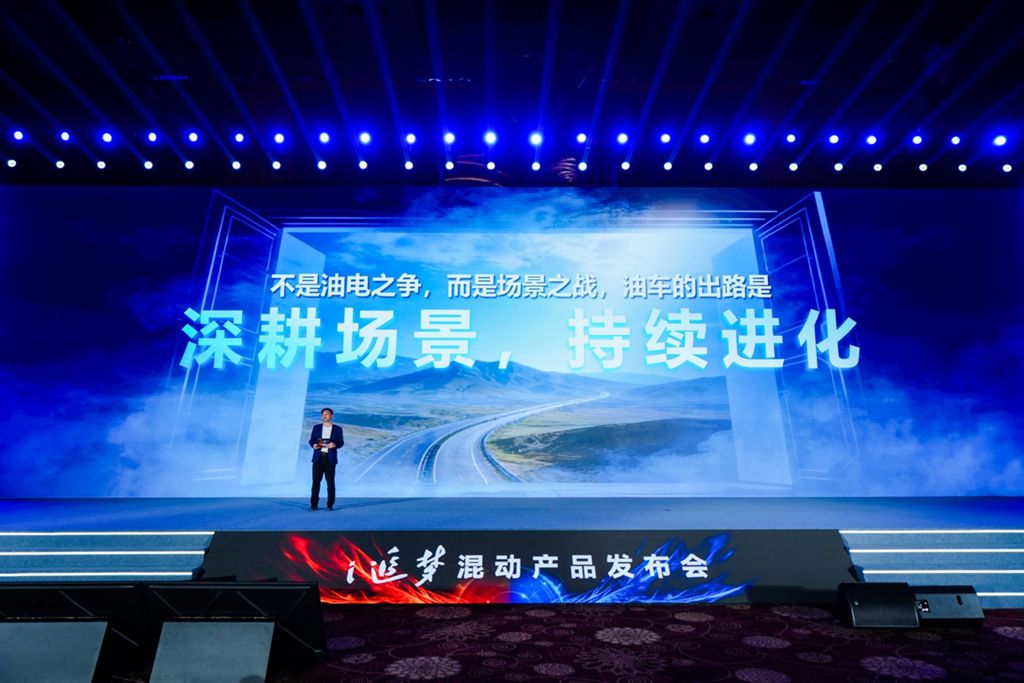
Synthesizing these three dimensions, Huo Jialin said: “The development of heavy duty trucks is not a battle between fuel and electric power, but a battle of scenarios. The way forward for fuel-powered trucks lies in deepening scenario insights and pursuing sustained evolution. ‘Fuel for Long Haul, Electric for Short Haul’ will be the core trend in the future heavy duty truck market – adopting fuel-electric hybrid technology for long-haul transportation to revitalize fuel-powered trucks. This is our firm choice based on industry insights. The launch of the BAIC Heavy Duty Truck i-Chase Dream is more than just a vehicle; it is an attitude – we do not chase trends, but cultivate the soil; we do not empty talk about disruption, but focus on evolution. We believe that as long as roads continue to extend and logistics demand keeps growing, there will always be a place for new fuel-powered trucks that move goods farther, more economically and more reliably.”
BAIC Heavy Duty Truck i-Chase Dream: Scenario-Based Technological Innovation to Revitalize Fuel-Powered Trucks
First, we need to ask: Why has hybrid technology failed to gain widespread popularity? Dr. He Huaqiang of BAIC Heavy Duty Truck explained: “The root cause of its ‘critical acclaim but poor sales’ dilemma is that user pain points have not been fully addressed, and the technical strategies adopted are not scenario-specific. To solve this problem, we conducted systematic scenario research. Four teams visited more than 20 cities and hundreds of users, and from their feedback, we finally identified the real reasons for the predicament: first, high purchase costs with disproportionate returns on investment; second, lack of fuel efficiency, leading to high operating costs; third, the relative complexity of hybrid heavy duty truck systems, which increases the risk of malfunctions.”
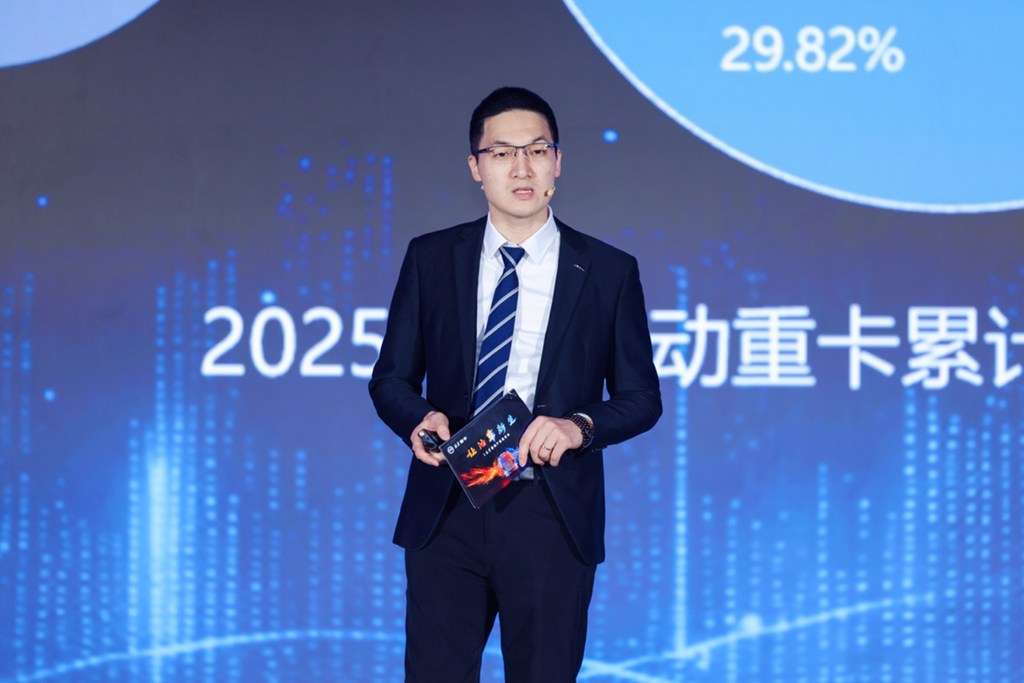
Solving problems starts with defining them correctly. “Revitalizing fuel-powered trucks” is not just a slogan; it is a redefinition of the value logic of the heavy duty truck industry. Dr. He Huaqiang said: “A new fuel-powered truck that can truly gain market acceptance must meet three criteria:
- Same horsepower at the same price – users should not pay extra for new technologies.
- Achieve fuel consumption reduction of over 15% – delivering tangible fuel savings to benefit users.
- Improve vehicle availability by 5% – taking transportation efficiency to a new level.
To this end, we have abandoned the traditional path of “stacking technologies and configurations”, and embarked on a deeper, more precise path of product evolution – systematic reconstruction based on scenarios. We conducted in-depth analysis of data from over 50,000 kilometers of national trunk routes. Targeting high-frequency heavy duty truck scenarios such as plains, mountains, hills and national roads, we systematically developed scenario-specific precise definitions and strategic settings for the i-Chase Dream, enabling it to achieve true leadership right from the product definition stage.”
Based on scenario-specific precise definitions and strategic settings, BAIC Heavy Duty Truck adopted a top-level design of “Integrated Hardware and Software Innovation, Two-Way Subversion”.
On the hardware front, through customized development of three core exclusive components – the engine, electric drive system and battery – the company has driven disruptive innovation in hardware, laying an irreplicable hardware foundation for the i-Chase Dream at the physical level.
On the system and software front, the development of three industry-first technologies and one cross-domain integration technology has fully empowered the vehicle, achieving a milestone leap in software capabilities.
The BAIC Heavy Duty Truck i-Chase Dream hybrid is equipped with the Cummins DHE H700 hybrid-exclusive engine, which boosts combustion thermal efficiency to 50% – the highest in its displacement class – cutting fuel consumption by 3% (a 1L reduction per 100km). It delivers a maximum torque of 2200N·m across the 900–1400rpm range, ensuring faster acceleration response.
The hybrid-exclusive electric drive system adopts the industry-proven P2 hybrid architecture, providing an additional 300 horsepower of robust power to easily handle heavy-load climbing and highway overtaking. Paired with a 12-speed AMT transmission boasting a maximum transmission efficiency of 99.7%, its intelligent shift system ensures precise, smooth and durable performance. An innovative design uses a large motor to directly start the engine, eliminating winter startup issues and enhancing operational reliability. The groundbreaking design of non-separating shift clutch fundamentally reduces component wear, achieving an ultra-long service life of 1 million kilometers.
The hybrid-exclusive battery features a large capacity of 30kWh and 8C high-rate discharge capability, enabling efficient 240kW charging and discharging to meet all-scenario operational needs. With an energy density of 233Wh/kg – 20% higher than the industry average – it ensures the vehicle meets both weight and fuel saving targets. Most impressively, it offers a cycle life of 7,000 times and comes with a 5-year/1 million kilometer warranty, eliminating user concerns about battery lifespan.
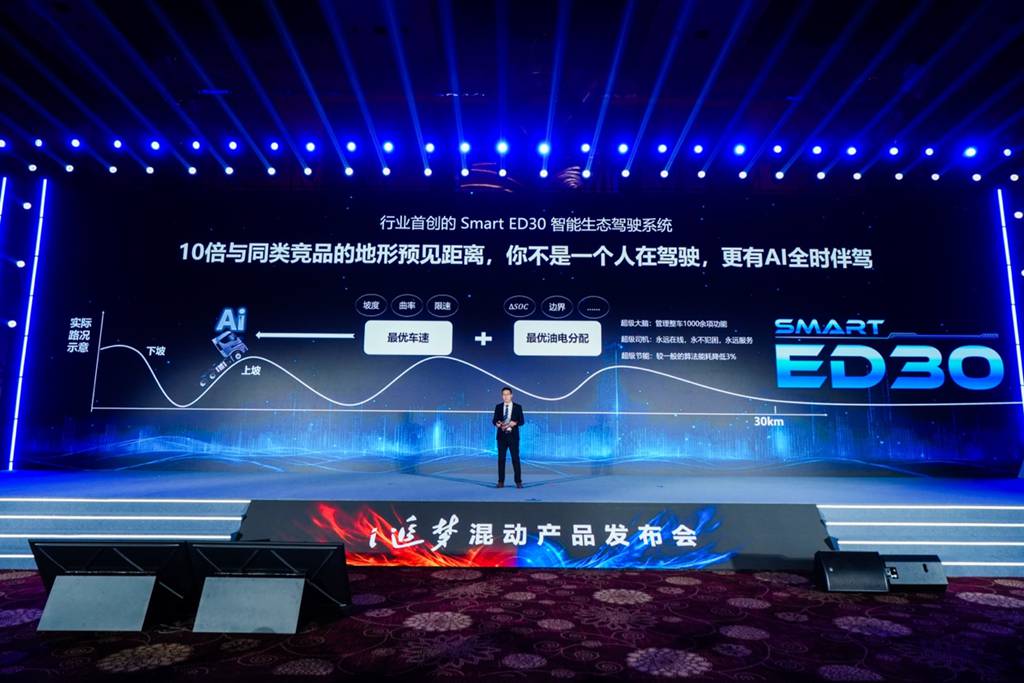
In addition, the BAIC Heavy Duty Truck i-Chase Dream is equipped with the industry-first Smart ED30 Intelligent Eco-Driving System, endowing the vehicle with predictive capabilities that surpass human judgment. Its 30km long-distance terrain preview function acts like “clairvoyance” for the vehicle, offering 10 times the terrain preview range of competing products, and providing real-time, accurate information on upcoming slopes, curves and junctions. Its algorithm model, trained on massive datasets, operates like a “super driver” who masters every route, continuously generating optimal driving strategies. By deeply controlling over 1,000 vehicle functions to achieve full-dimensional coordination, it reduces energy consumption by an additional 3% compared to conventional industry algorithms. With its “super brain, super driver, super energy saving” capabilities, it redefines the benchmarks for smart freight efficiency and safety.
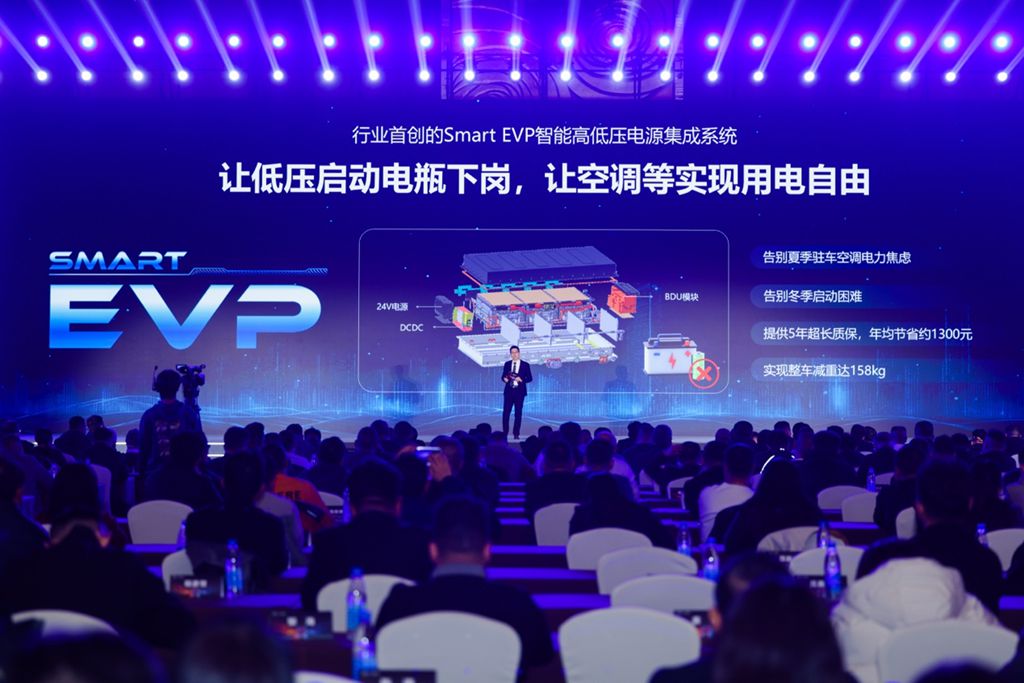
The industry-first Smart EVP Intelligent High-Low Voltage Power Integration System eliminates the need for a traditional low-voltage starter battery, enabling free power supply for systems like air conditioning. The industry-first Smart EBI 2.0 Intelligent Braking System has evolved in full alignment with hybrid heavy duty truck operating scenarios. Its intelligent “electric-hydraulic-mechanical-pneumatic” sequential braking strategy achieves an energy recovery rate of 80% while reducing brake pad wear. By intelligently distributing braking force, it makes braking more energy-efficient and cost-effective. The Smart TMS Intelligent Full-Time Thermal Management System integrates six functions – driving air conditioning, parking air conditioning, motor cooling, motor controller cooling, battery cooling and battery heating – into a centralized control system, improving reliability by 10% and cutting energy consumption by an additional 5%.
The BAIC Heavy Duty Truck i-Chase Dream has breathed new life into fuel-powered trucks, ultimately helping users achieve lower fuel consumption, with a corresponding reduction in urea usage saving an additional RMB 2,000+ annually. The elimination of the traditional low-voltage battery saves another RMB 1,000 or so. Meanwhile, the extended service life of brake pads cuts costs by several hundred yuan more each year. The factory-installed parking air conditioning eliminates the need for aftermarket modifications and lithium battery installations. In total, it delivers annual cost savings of up to RMB 60,000.
Furthermore, the product has undergone 1.5 million kilometers of multi-scenario road testing and 9 million kilometers of virtual validation, subjecting it to a test scale exceeding 10 million kilometers to simulate full-lifecycle operational challenges. It has also passed extreme “three-high” (high temperature, high altitude, high humidity) tests to ensure reliable performance across all scenarios, ultimately achieving an average distance between failures of 60,000 kilometers.
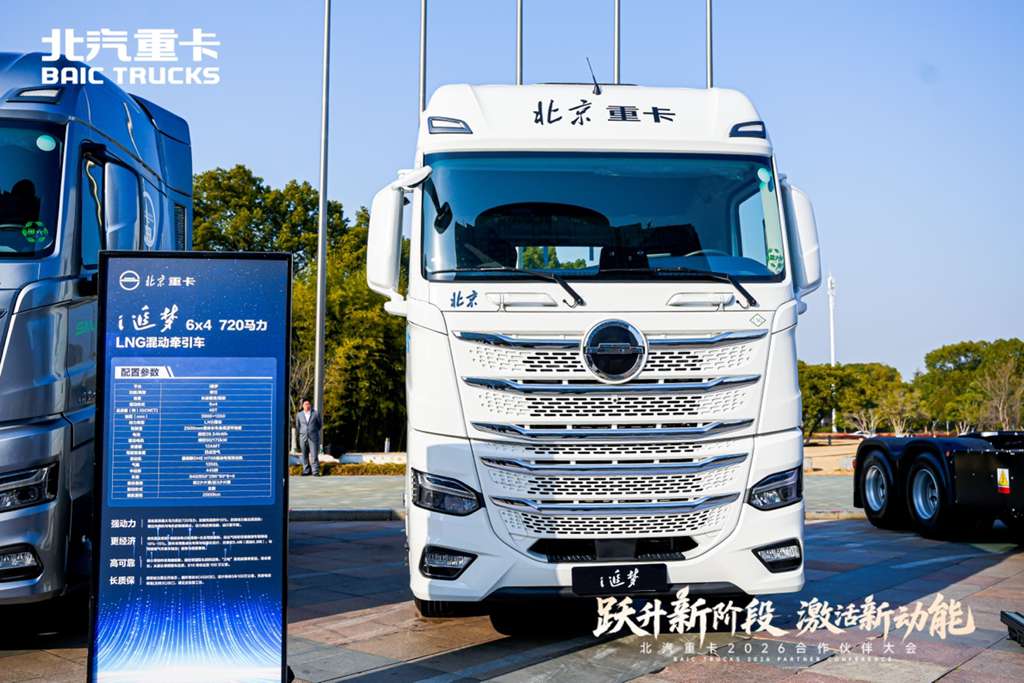
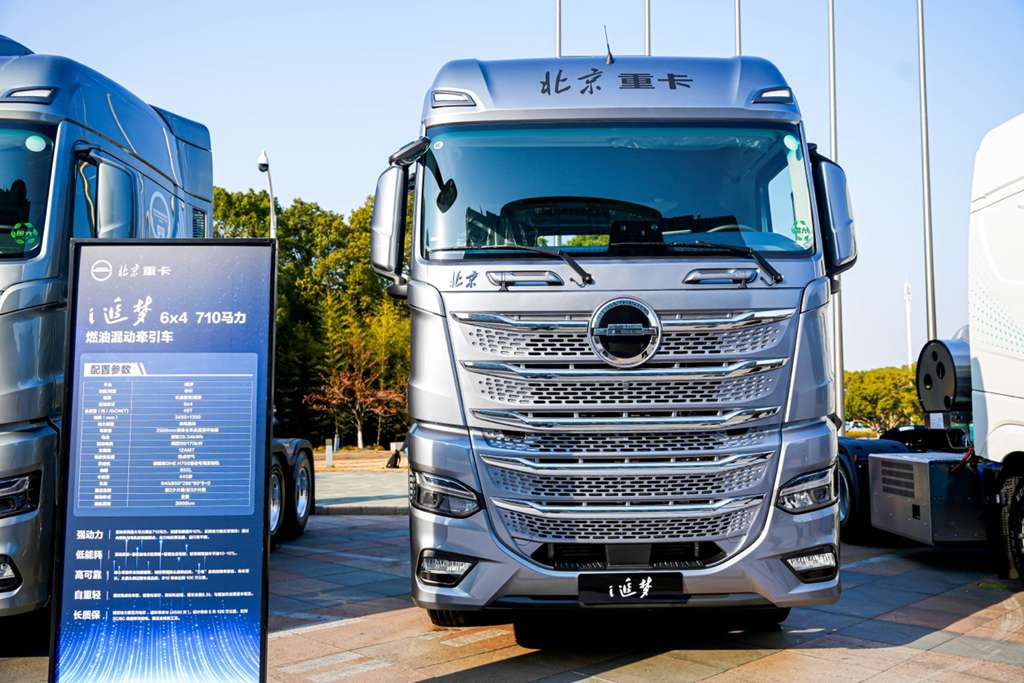
Currently, the BAIC Heavy Duty Truck i-Chase Dream lineup includes the 6×4 720-horsepower LNG hybrid tractor and the 6×4 710-horsepower fuel hybrid tractor, precisely targeting long-haul trunk logistics scenarios and continuously consolidating BAIC Heavy Duty Truck’s position as the leading brand for long-haul transportation.
